Black American Sheet Music Collection
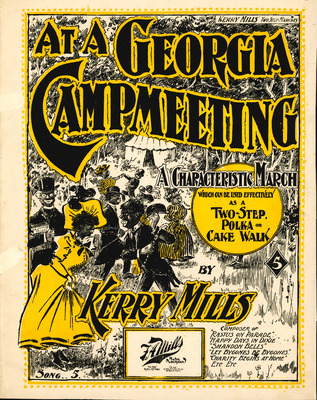
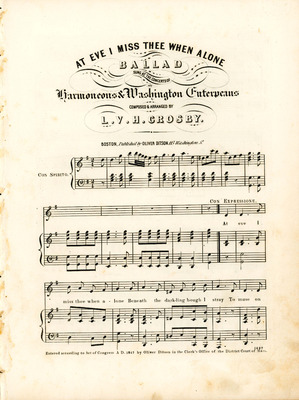
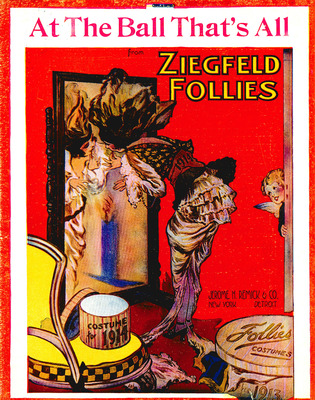
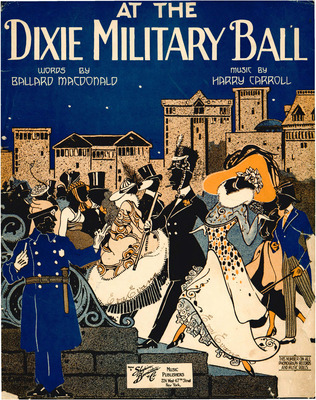
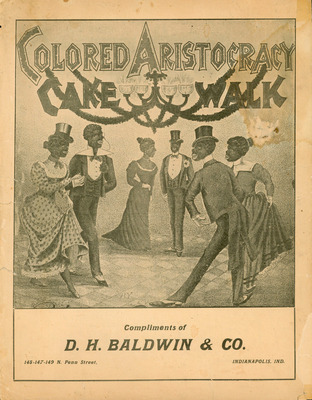
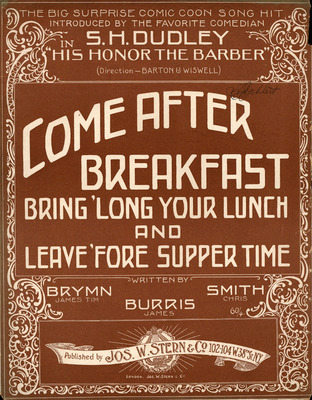
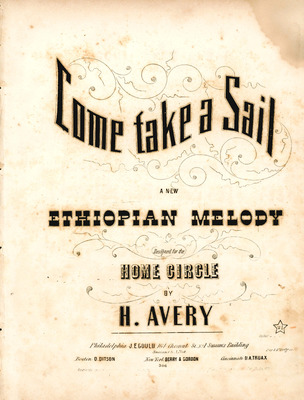
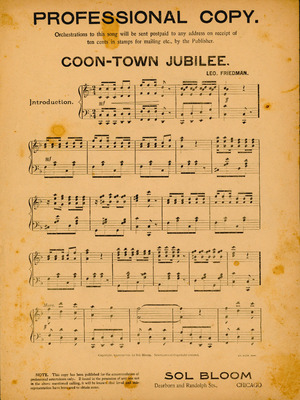
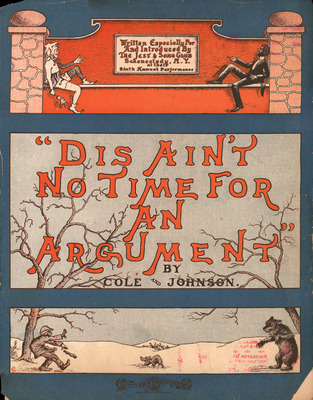
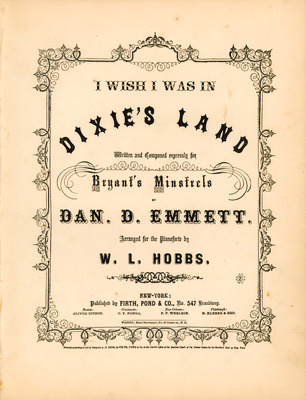
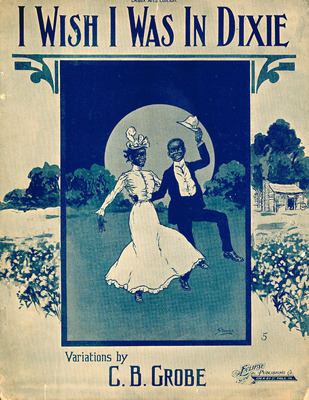
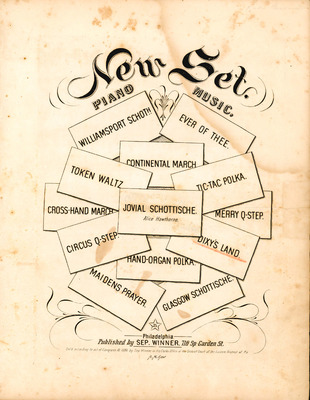
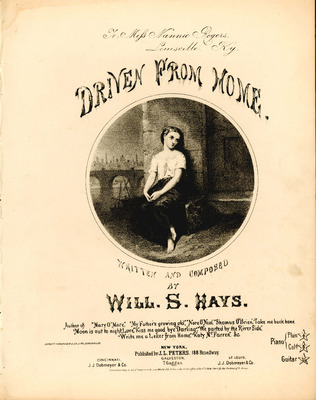
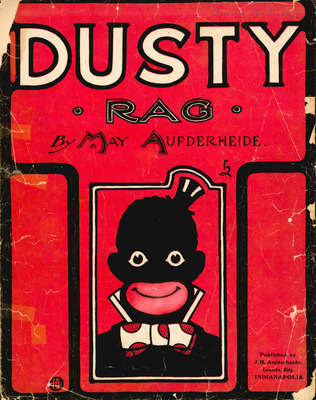
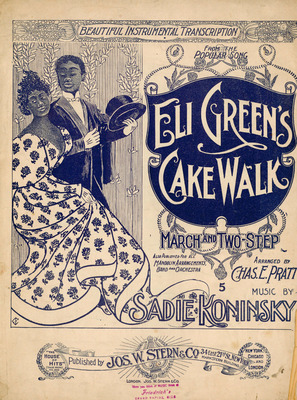
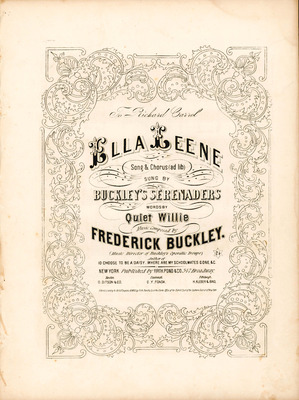
The Bank of America Black American Sheet Music Collection consists of approximately 4000 pieces of published sheet music reflecting the influences of African Americans on popular music in the United States. The music was created by, performed by, published by, or portrays Black and African American themes throughout the 19th and 20th centuries in the United States. The collection highlights popular vocal music, jazz, big band, and swing music published in the United States. The earliest piece in the collection dates to 1818, and the latest editions date into the 1980s, thereby giving a chronicle of the evolution of Black-inspired music in America for almost 200 years. Some imagery and lyrics in this collection reflect harmful racist depictions of Black people and are included in the collections for their use in academic research.
Content Warning:
USF Libraries’ Digital Collections include historical and primary sources from many cultures and time periods. Some content may be harmful, graphic, difficult to view, or reflect biases. Digital Collections provides access to these materials to preserve the historical record, but we do not endorse the attitudes, prejudices, or behaviors found within them. USF Libraries’ is committed to conscious editing of Libraries’ generated descriptive terminology that may be offensive, harmful, or out of date.
-
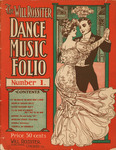
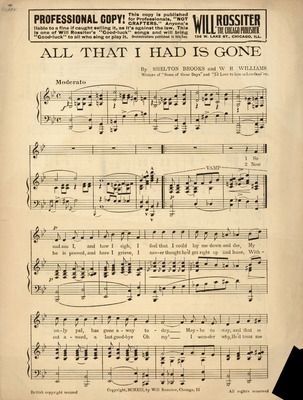
The Will Rossiter Dance Music Folio. Number 1
Will Rossiter and Harry L. Alford
Contains the following songs: "If the Man in the Moon Were a Coon," with original song by Fred Fischer and arranged by Harry L. Alford; "Brown of Harvard Waltz," composed by Louie Maurice "Clover Blossoms Waltz," with the original song by Floyd Thompson and arranged by Harry L. Alford; "I'll Be Back in a Minute but I Got to Go Now," with the original song by Herbert Ingraham and arranged by Harry L. Alford; "Nappanee," by W.R. Williams and Will S. Genaro and arranged by Harry L. Alford; "Moonlight Kisses," composed by George L. Spaulding; "Osceola," composed by George L. Spaulding; and "Farewell, My Annabelle" by W.R. Williams and arranged by Harry L. Alford.
-
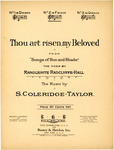
Thou Art Risen, My Beloved
Samuel Coleridge-Taylor and Marguerite Radclyffe-Hall
The piano and vocal score for "Thou Art Risen, My Beloved" from "Songs of Sun and Shade," the poem by Marguerite Radclyffe-Hall. Composed by Samuel Coleridge-Taylor, a Black composer.
-
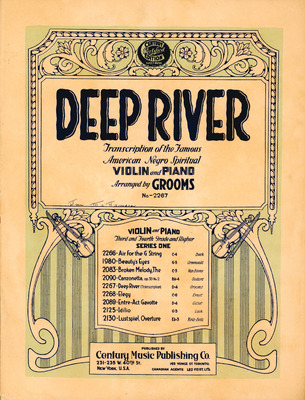
Three Negro Spirituals
James R. Gillette
Three Black spirituals for organ: "Deep River," "The Angels Done Changed My Name," and "Nobody Knows the Trouble I've Seen." The music was transcribed and harmonized by James R. Gillette.
-

Trouble
Will B. Morrison and Cecil Duane Crabb
The piano score for "Trouble" composed by Cecil Duane Crabb and Will B. Morrison.
-

Trusting Only You
Gussie Lord Davis
The vocal score for "Trusting Only You," by Gussie L. Davis, a Black songwriter.
-
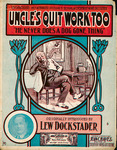
Uncle Quit Work Too (He Never Does a Dog Gone Thing)
Jean C. Havez
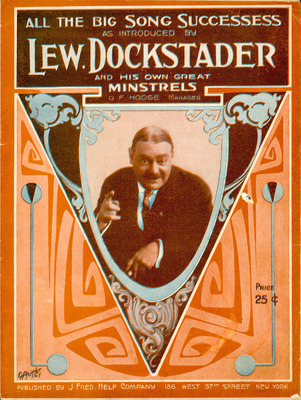
The score for "Uncle Quit Work Too (He Never Does a Dog Gone Thing)" with music and lyrics by Jean C. Havez. This was performed in Lew Dockstader's minstrel shows.
-

Under the Bamboo Tree
James Weldon Johnson, Robert Allen Cole, and John Rosamond Johnson
The piano and vocal score for "Under the Bamboo Tree" by Robert Allen Cole. Cole was a Black lyricist. Also contributing to the arrangement were James Weldon Johnson, a Black American writer and civil rights activist, and his brother John Rosamond Johnson, a Black American composer.
-

Under the Bamboo Tree: Medley Two-Step
George Rosey, James Weldon Johnson, Robert Allen Cole, and John Rosamond Johnson
The piano score for "Under the Bamboo Tree" arranged by George Rosey. Robert Allen Cole was a Black lyricist. Also contributing to the arrangement were James Weldon Johnson, a Black American writer and civil rights activist, and his brother John Rosamond Johnson, a Black American composer.
-
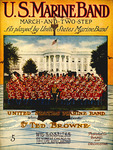
U.S. Marine Band March
Ted Browne
The piano score "U.S. Marine Band March" by Ted Browne. Dedicated to the United States Marine Band and Director William H. Santelmann.
-

Varsity Eight
John D. Vhay, Fred Seymour, and Fred S. Stone
The piano score for "Varsity Eight Two Step" composed by John D. Vhay and Fred Seymour. Arranged by Fred S. Stone.
-
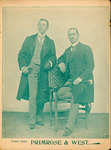
Vocal Gems of Primrose and West
George Primrose and William H. West
A set of short scores and lyrics from Primrose and West's minstrel show.
-
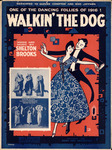
Walkin' the Dog
Shelton Brooks
The vocal and piano score for "Walkin' the Dog," with lyrics and music by Shelton Brooks, a Black songwriter.
-
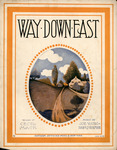
Way Down East
Joseph Young, Harold Norman, and Cecil Mack
The vocal and piano score of "Way Down East" with lyrics by Cecil Mack, a Black songwriter, and music by Joe Young and Harold Norman.
-
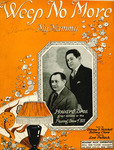
Weep No More
Lew Pollack, Sidney Clare, and Sidney D. Mitchell
The piano and vocal score for "Weep No More" with music by Lew Pollack and lyrics by Sidney Clare and Sidney D. Mitchell.
-
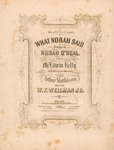
What Norah Said, or, The Reply of Norah O'Neal
William F. Wellman Jr. and Arthur Matthison
Vocal and piano score for "What Norah Said" with music by William F. Wellman, Jr. The piece is dedicated to Miss R.V. Le Comte and notes it was sung by Edwin Kelly. Poetry by Arthur Matthison.
-
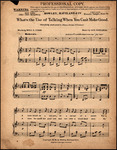
What's the Use of Talking when You Can't Make Good
Gus Edwards and Will D. Cobb
The score for "What's the Use of Talking when You Can't Make Good" with music by Gus Edwards and lyrics by Will D. Cobb.
-
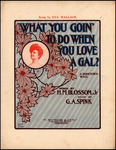
What You Goin' to Do when You Love a Gal?
George A. Spink and H. M. Blossom Jr.
The score for "What You Goin' to Do when you Love a Gal?" with music by George A. Spink and lyrics by H.M. Blossom, Jr. The cover notes the song was sung by Eva Wallace.
-

When Africa and Ireland Go to War
Gussie Lord Davis and Dan Packard
The piano and vocal score for "When Africa and Ireland Go to War" with music by Gussie Lord Davis, a Black songwriter, and lyrics by Dan Packard.
-
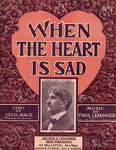
When the Heart is Sad
Cecil Mack and Tom Lemonier
Lyrics by Cecil Mack, a Black songwriter, and music by Thomas Lemonier, a Black songwriter. The cover has a portrait of Julius Steger that is captioned "Sung with great success by Julius Steger."